

How Load Shifts Are Reconstructed After Truck Accidents
How Load Shifts Are Reconstructed After Truck Accidents
Load shifts are reconstructed after crashes by analyzing cargo securement, vehicle dynamics, and FMCSA rules to determine whether shifting cargo caused loss of control.
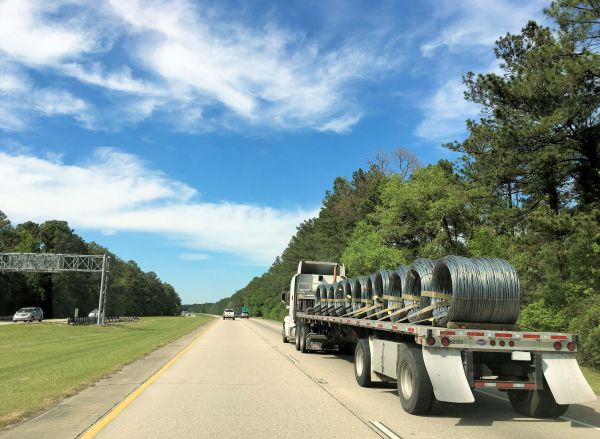
Quick Answer: Load shifts are reconstructed after crashes by analyzing cargo securement methods, vehicle dynamics, crash evidence, and federal safety rules to determine whether improperly secured cargo contributed to loss of control or increased damage.
When a commercial truck crashes, investigators often look beyond speed and driver behavior to a less visible factor: whether the cargo moved inside the trailer. Load shifts can destabilize even an experienced driver, turning routine maneuvers into catastrophic events.
Reconstructing how and when a load shifted is a critical part of determining liability in trucking and highway accident cases.
What Is a Load Shift and Why It Matters
A load shift occurs when cargo inside a truck or trailer moves from its original position during transit. This movement can:
- Alter the vehicle’s center of gravity
- Reduce braking effectiveness
- Cause trailer sway or jackknifing
- Lead to rollovers or cargo spills
Because these failures often occur suddenly, drivers may have little or no opportunity to recover once a load begins moving.
How Investigators Reconstruct Load Shifts
Reconstructing a load shift involves combining physical evidence with engineering analysis. Investigators typically examine:
- Tie-downs, straps, chains, and anchor points
- Cargo weight, distribution, and stacking method
- Trailer damage patterns and deformation
- Skid marks, yaw marks, and rollover indicators
- Event data recorders (when available)
Accident reconstruction experts assess whether the cargo remained secured through normal driving forces, or whether it was likely to move during braking, turning, or evasive maneuvers.
Who Is Responsible for Cargo Securement?
Responsibility for cargo securement is not limited to the driver. Depending on the circumstances, liability may fall on:
- The truck driver
- The motor carrier
- The shipper
- A third-party loading company
While drivers are often cited at the scene, deeper investigations frequently reveal that cargo was improperly loaded or secured before the truck ever left the facility.
Courts focus on who had control over the loading process and whether each party fulfilled their legal duties.
FMCSA Cargo Securement Rules
The Federal Motor Carrier Safety Administration (FMCSA) sets detailed cargo securement regulations designed to prevent load movement during normal transportation.
These rules require that cargo:
- Be firmly immobilized or secured
- Withstand acceleration, braking, and cornering forces
- Use appropriate tie-downs based on cargo weight and type
- Be inspected periodically during transit
Violations of FMCSA cargo securement rules are powerful evidence in civil cases, especially when investigators determine that a load could not withstand routine driving forces.
Cargo Spill Accidents on Highways
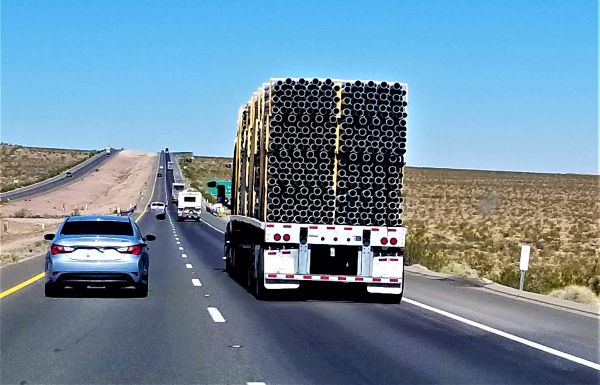
Cargo spills often provide direct evidence of a load shift. These accidents can involve:
- Steel coils rolling free
- Lumber or pipes spilling into traffic
- Construction materials striking other vehicles
- Hazardous materials releases
In many cases, drivers report losing control after feeling a sudden shift or pull from the trailer. Reconstruction experts analyze whether the spill occurred before impact—indicating a causal role—or as a result of the crash itself.
Highway spill cases frequently involve multiple injured parties and complex liability disputes.
Third-Party Loaders and Shared Liability
Many commercial loads are packed and secured by third-party warehouse or logistics companies. When those entities control loading, they may share responsibility if:
- Cargo was unevenly distributed
- Tie-downs were insufficient or improperly placed
- Weight limits or stacking guidelines were ignored
Courts often apply shared liability when multiple parties contributed to unsafe conditions. A driver may be responsible for inspection failures, while loaders may be liable for improper securement that could not be corrected through a reasonable inspection.
How Load Shift Evidence Is Used in Lawsuits
In civil litigation, load shift reconstruction helps establish:
- Whether the crash was preventable
- Whether driver error was the primary cause
- Whether cargo securement failures violated federal regulations
- Whether responsibility extends beyond the driver
This analysis is especially important in cases where trucking companies initially blame driver error or road conditions.
Final Takeaway
Load shifts in trucking accidents are not random events—they are often the result of preventable cargo securement failures. Reconstructing how a load moved after a crash plays a central role in determining fault, enforcing safety rules, and holding all responsible parties accountable.