

Can You Sue an Airline for a Plane Crash?
Can You Sue an Airline for a Plane Crash?
Plane crashes trigger a unique legal framework unlike ordinary accidents. This article explains when airlines can be sued, how international treaties and U.S. law apply, and what victims’ families should understand about their legal rights.
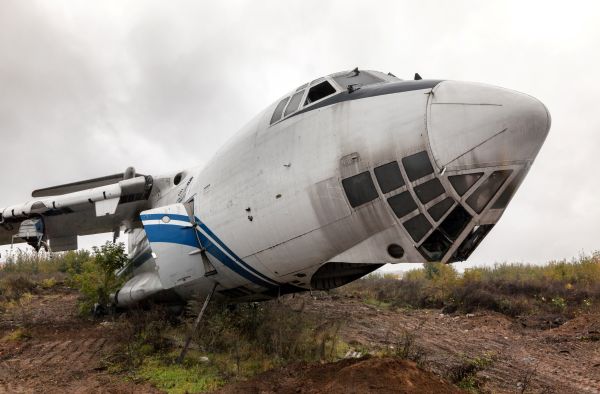
Quick Answer: Yes, airlines can be sued after a plane crash, but international treaties, federal aviation law, and jurisdiction rules strictly control who can sue, where claims can be filed, and what damages may be recovered.
Plane crashes are rare, but when they occur, the legal questions that follow are immediate and complex. Families often ask a simple question: Can you sue the airline?—only to discover that aviation accidents are governed by a specialized body of law that looks nothing like a standard personal injury or wrongful death case.
Unlike car accidents or workplace injuries, airline liability is shaped by international treaties, federal aviation regulations, and strict jurisdictional rules that dictate how claims are handled. In many cases, liability is presumed. In others, it is limited. In some situations, suing the airline may not even be the primary legal path.
This article explains when airlines can be sued after a plane crash, how aviation law determines liability, what legal frameworks apply to domestic versus international flights, and what families should realistically expect from the process.
The Legal Framework Governing Plane Crash Claims
Plane crash lawsuits are not governed solely by state tort law. Instead, liability is shaped by a layered legal structure that depends on where the flight originated, where it was headed, and where the crash occurred.
The governing framework typically includes:
- International aviation treaties
- U.S. federal aviation law
- State wrongful death or personal injury statutes (in limited roles)
Which rules apply depends primarily on whether the flight was domestic or international.
Suing an Airline After an International Plane Crash
Most international flights are governed by an international treaty that standardizes airline liability across countries.
Strict Liability for Passenger Death or Injury
Under international aviation law, airlines are automatically liable for passenger death or bodily injury up to a specified monetary threshold. Families do not need to prove negligence to recover damages within this initial liability tier.
This system was designed to:
- Speed compensation to victims
- Reduce disputes over fault
- Create uniform rules across borders
Liability Above the Threshold
If damages exceed the treaty threshold, the airline may attempt to avoid further liability by proving that:
- The crash was not caused by its negligence, or
- The accident resulted solely from the actions of a third party
In catastrophic crashes, airlines often cannot meet this burden, which allows families to pursue full compensation.
Domestic Plane Crashes and U.S. Law
When a crash involves a domestic U.S. flight, claims are typically governed by federal aviation law combined with state wrongful death statutes.
Unlike international flights:
- There is no automatic damages cap
- Liability is not always presumed
- Negligence must usually be established
However, aviation law imposes heightened duties on airlines, pilots, and maintenance operators, which often makes liability clearer than in ordinary accident cases.
Who Can Be Sued After a Plane Crash?
Although airlines are the most visible defendants, they are not always the only—or even the primary—party responsible.
Potential defendants may include:
- The airline operating the flight
- Aircraft manufacturers
- Engine or component manufacturers
- Maintenance contractors
- Charter operators
- Airport authorities
- Air traffic control entities (subject to special rules)
Plane crash litigation often involves multiple parallel claims, each governed by different liability standards.
When Airlines Are Typically Liable
Airlines may be legally responsible when a crash is linked to:
- Pilot error
- Inadequate training
- Improper aircraft maintenance
- Failure to follow safety procedures
- Fatigue-related decision-making
- Operational pressures that compromise safety
Airlines are legally responsible for the actions of their pilots and crew under principles of vicarious liability, meaning they can be held accountable even if executives were not personally involved.
When Airline Liability May Be Limited
There are situations where airline liability is reduced or contested, including:
- Severe weather events unrelated to operational decisions
- Sabotage or terrorism
- Air traffic control failures
- Manufacturing defects outside airline control
Even in these cases, airlines are rarely dismissed outright at the beginning of litigation, because aviation law requires thorough investigation before responsibility is assigned.
Who Can Bring a Claim After a Plane Crash?
Standing to sue is determined by applicable law and may differ between domestic and international cases.
Typically eligible claimants include:
- Surviving spouses
- Children of the deceased
- Parents of the deceased
- Legal representatives of the estate
Treaty-based claims often define beneficiaries more narrowly than state wrongful death laws, which can affect who receives compensation and how damages are distributed.
What Damages Are Recoverable?
Damages in plane crash cases are designed to compensate for both economic and non-economic losses, subject to the governing legal framework.
Common categories include:
- Loss of financial support
- Loss of companionship or consortium
- Funeral and burial expenses
- Pain and suffering prior to death (where permitted)
- Loss of future earning capacity
Punitive damages are generally not available under international aviation treaties, even when negligence is severe.
The Plane Crash Claim Process
Investigation Phase
Plane crash cases begin with extensive investigations conducted by aviation authorities. These findings often shape civil claims but do not replace independent legal analysis.
Jurisdiction and Venue Decisions
Families may have multiple options for where to file a claim, depending on:
- The airline’s home country
- The passenger’s residence
- The destination of the flight
- Treaty-authorized forums
These choices can significantly affect damages and procedural rules.
Liability and Damages Resolution
Some cases resolve through negotiated settlements once responsibility becomes clear. Others proceed through prolonged litigation, particularly when multiple defendants dispute fault.
Plane crash claims often take years, not months, due to technical complexity and international coordination.
Common Misconceptions About Suing Airlines
One frequent misconception is that airlines cannot be sued because crashes are “acts of God.” Aviation law does not support this assumption.
Another misconception is that compensation is capped at low amounts. While treaties impose thresholds, serious cases often exceed them when negligence is shown.
Finally, criminal investigations do not prevent civil claims. Civil liability proceeds independently.
Why Aviation Cases Are Legally Different
Aviation law prioritizes uniformity, safety accountability, and international cooperation. This means:
- Families are protected from having to prove fault initially
- Airlines operate under heightened safety obligations
- Litigation focuses heavily on technical evidence and expert testimony
These features make plane crash cases legally distinct from nearly every other injury claim.
Final Takeaway
Yes, airlines can be sued after a plane crash—but not under ordinary accident rules. Aviation claims are governed by a specialized legal framework that balances automatic liability, limited defenses, and international consistency.
Understanding how these laws work helps families ask the right questions, evaluate their options, and avoid assumptions that can delay or limit recovery. While no legal process can undo the loss caused by a plane crash, aviation law exists to ensure accountability when safety systems fail.