
Tesla Autopilot Crash: The Future of Autonomous Vehicles
Tesla Autopilot Crash: The Future of Autonomous Vehicles
Tesla Autopilot crashes highlight the legal and safety gaps in semi-autonomous driving, including liability, regulation, and emerging wrongful death claims.
Quick Answer: Tesla Autopilot crashes raise unresolved legal questions about driver responsibility, product defects, and whether semi-autonomous systems are being marketed in ways that exceed their actual safety capabilities.
Autonomous vehicle technology has advanced rapidly, but Tesla Autopilot crashes continue to expose a gap between what the technology can safely do and how it is perceived by drivers. While fully self-driving cars are often portrayed as imminent, the reality is that most systems on the road today remain driver-assistance technologies, not autonomous replacements for human judgment.
When crashes occur, courts and regulators are left to answer difficult questions: Who was really in control? Was the technology defective? And did marketing overstate the system’s capabilities?
Are Fully Self-Driving Cars Actually Here?
Despite years of bold predictions, fully autonomous consumer vehicles remain largely unavailable outside limited pilot programs. Most vehicles sold today (including Teslas) rely on semi-autonomous systems that assist with steering, braking, and lane positioning but still require constant driver supervision.
Crash statistics and regulatory investigations suggest that treating these systems as “self-driving” creates serious safety risks.
How Semi-Autonomous Systems Like Tesla Autopilot Work
Tesla Autopilot uses:
- A network of external cameras
- Radar-based sensing
- Neural-network software trained on driving data
Unlike many competitors, Tesla does not use lidar sensors, which provide precise depth and object-shape detection. Tesla has argued that camera-based systems better mirror human vision, while critics contend that the absence of lidar limits the system’s ability to accurately identify obstacles under certain conditions.
This design choice has become central to safety and liability debates.
Human Judgment vs. Artificial Intelligence
Human drivers routinely rely on judgment that is difficult to encode into software, such as:
- Making eye contact at intersections
- Interpreting unpredictable behavior from pedestrians
- Adapting to poor weather or road conditions
- Making split-second ethical decisions
Autonomous systems depend on massive amounts of training data and predictive modeling, but they still struggle in edge cases—exactly the situations where accidents are most likely to occur.
Tesla Autopilot vs. “Full Self-Driving”
Tesla offers two distinct systems:
- Autopilot, which assists with lane-keeping and adaptive cruise control
- Full Self-Driving (FSD), which adds navigation, lane changes, traffic signal response, and limited city-street operation
Tesla’s own documentation states that both systems require a fully attentive driver and do not make the vehicle autonomous. However, critics argue that the naming, marketing, and consumer rollout blur this distinction.
Real-World Crashes That Shaped the Legal Debate
Houston, Texas (2021): No Driver in the Seat
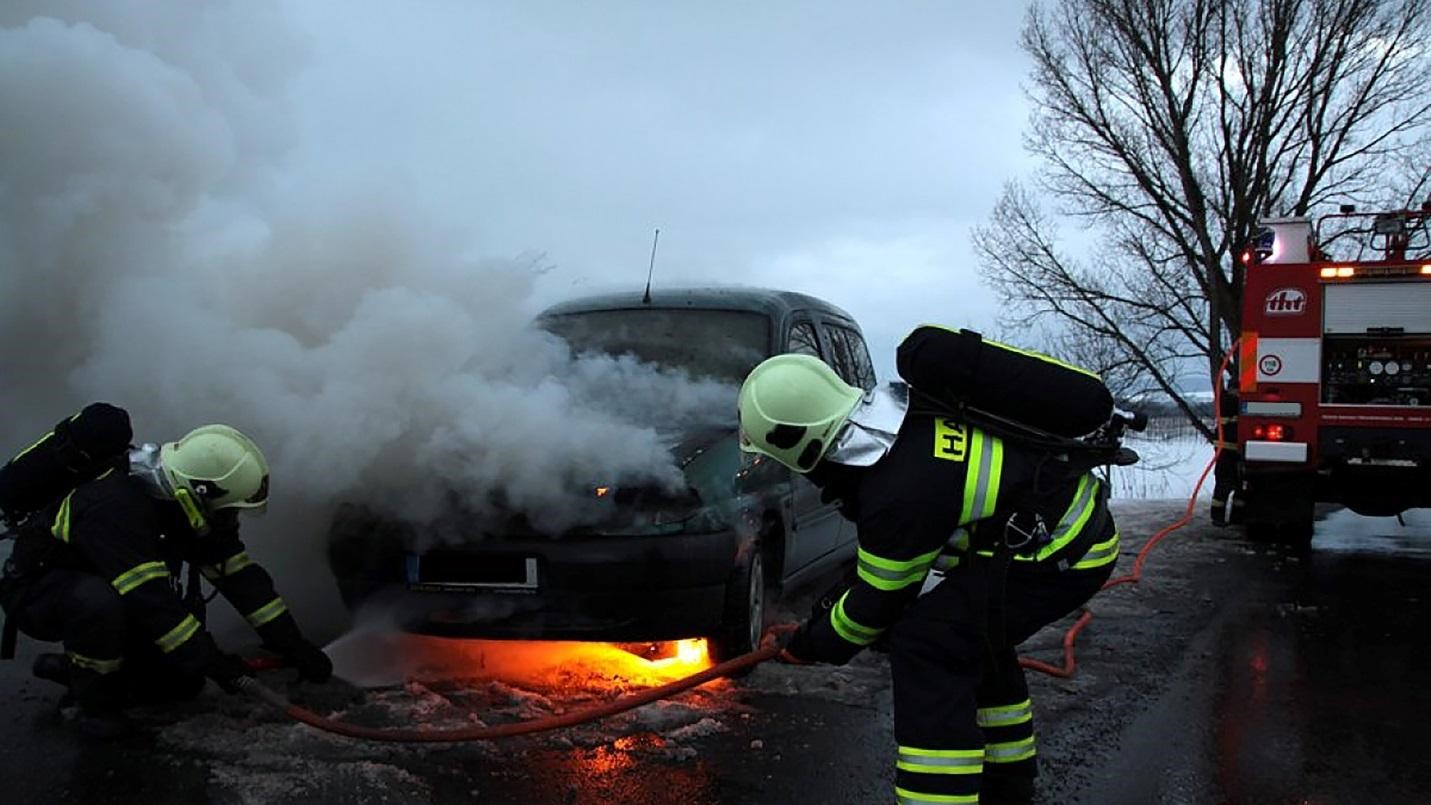
In a widely reported crash in Spring, Texas, a Tesla Model S left the roadway at high speed, struck a tree, and burst into flames, killing two occupants. Investigators initially reported that no one was in the driver’s seat, raising alarms about whether Autopilot could be engaged without active supervision.
Tesla stated that Autopilot was not enabled, while safety investigators focused on whether the system’s safeguards were sufficient to prevent misuse.
Consumer Reports Testing: Safeguards That Failed
Engineers at Consumer Reports tested Tesla vehicles and found that:
- The system could be tricked into operating without hands on the wheel
- The vehicle could not reliably determine whether a driver was attentive or even present
Battery Fires and Post-Crash Hazards
Tesla battery fires have also drawn regulatory scrutiny. In the Houston crash, firefighters reported that the vehicle reignited multiple times hours after impact. Other incidents prompted investigations into whether battery design defects increase post-collision fire risks.
In some lawsuits, Tesla owners have alleged that software updates were used to mitigate known battery risks by reducing range and charging speed rather than fully correcting the defect.
How Liability Is Evaluated After Autopilot Crashes
When Tesla Autopilot crashes result in injury or death, legal claims often involve:
- Product liability (design defects or failure to warn)
- Wrongful death
- Negligent marketing or misrepresentation
- Comparative fault, where responsibility is split between driver and manufacturer
Courts increasingly examine whether manufacturers placed too much responsibility on drivers while simultaneously encouraging reliance on automation.
Marketing Liability in Autonomous Vehicle Lawsuits
Several lawsuits allege that Tesla’s branding and public statements led drivers to believe their vehicles were safer—or more autonomous—than they actually were.
If courts determine that marketing created unreasonable consumer expectations, manufacturers may face liability even when warnings technically existed.
What This Means for the Future of Autonomous Vehicles
Tesla Autopilot crashes highlight a regulatory gray area:
- Technology is advancing faster than safety laws
- Consumers may overestimate system capabilities
- Liability rules are still evolving
Until clearer standards emerge, semi-autonomous driving will remain a high-risk legal frontier.
Final Takeaway
Tesla Autopilot crashes underscore the limits of current autonomous technology and expose unresolved legal questions about responsibility, safety design, and consumer expectations.
While innovation continues, courts are increasingly tasked with deciding whether the risks were foreseeable and whether manufacturers did enough to prevent them.