
The Biggest, Ongoing FDA Recalls & Lawsuits
The Biggest, Ongoing FDA Recalls & Lawsuits
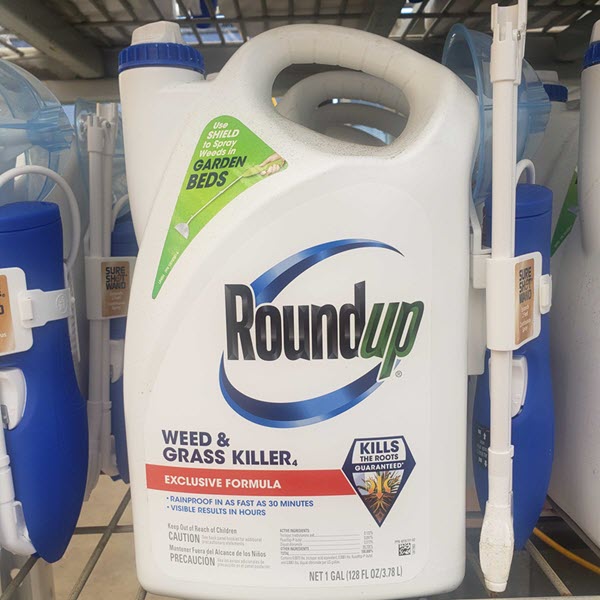
FDA recalls often lead to mass tort lawsuits when drugs or devices expose consumers to cancer risks, organ damage, or undisclosed safety defects.
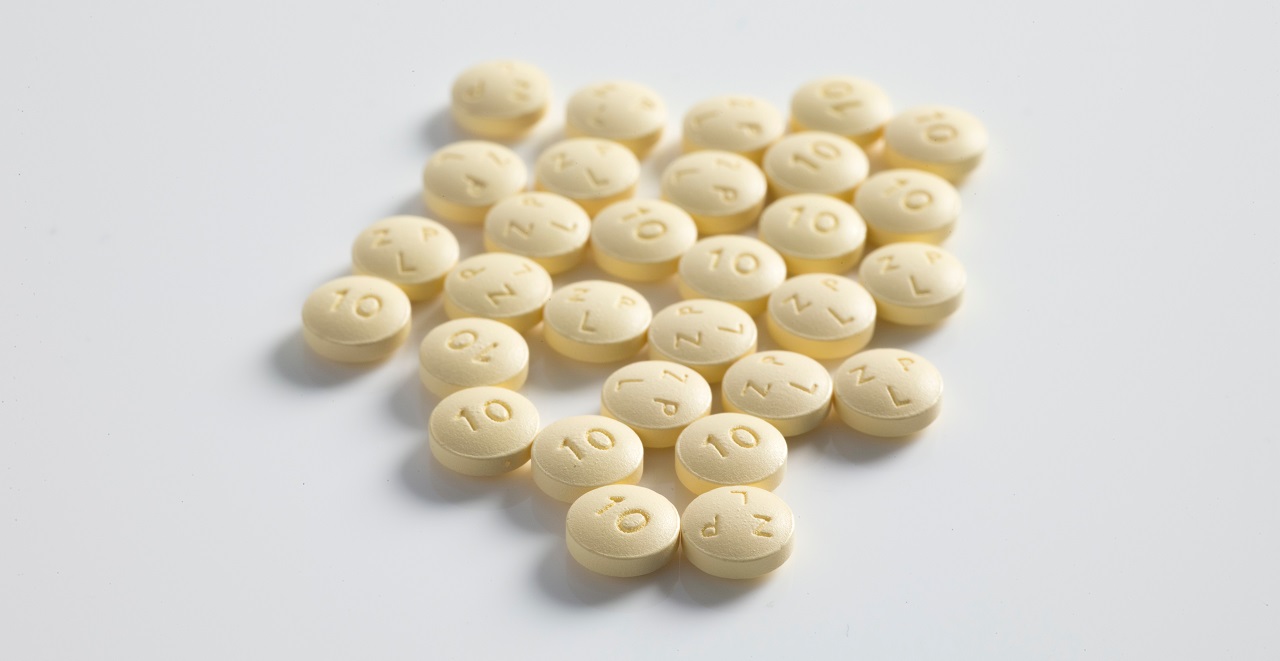
Quick Answer: FDA recalls often trigger mass tort lawsuits when drugs or medical devices expose consumers to undisclosed cancer risks, organ damage, or life-threatening side effects and several major cases remain active today.
Why FDA Recalls Frequently Lead to Lawsuits
An FDA recall usually means a product posed a serious, avoidable safety risk. When recalls involve carcinogens, organ damage, or long-term exposure, manufacturers often face claims alleging:
- Failure to warn
- Defective design
- Defective manufacturing
- Negligent testing or quality control
- Misrepresentation of safety
Not every recall results in litigation, but large-scale recalls tied to severe injuries almost always do.
Active and Ongoing Mass Tort Litigation (as of January 2026)
How FDA Recalls Turn Into Mass Tort Lawsuits
An FDA recall does not automatically mean a lawsuit will follow. However, when a recalled drug or medical device exposes large numbers of people to serious, avoidable harm, litigation often becomes inevitable.
Mass tort lawsuits typically arise when evidence suggests that:
- The manufacturer knew or should have known about the risk
- Safer alternatives or designs were available
- Warnings were inadequate or delayed
- Consumers were exposed for long periods before action was taken
In many cases, recalls serve as the first public confirmation of a problem that injured consumers years earlier.
Who May Have a Valid Claim After a Recall
Not everyone affected by a recalled product will have a legal claim. Eligibility often depends on several key factors, including:
- The specific product or model involved
- Length and frequency of exposure or use
- Whether a diagnosed injury is scientifically linked to the product
- When symptoms or injuries first appeared
- State statutes of limitation
In mass tort cases, courts often focus on long-term exposure and serious injury, such as cancer, organ damage, neurological disease, or the need for corrective surgery.
Why Some FDA Recalls Lead to Lawsuits—and Others Don’t
Many FDA recalls are issued out of caution and never result in litigation. Lawsuits are more likely when a recall involves:
- Cancer-causing substances
- Toxic exposure through ingestion, inhalation, or implantation
- Permanent or life-altering injuries
- Evidence of delayed warnings or suppressed safety data
By contrast, recalls involving minor labeling errors or temporary side effects typically do not result in mass tort cases.
How Mass Tort Lawsuits Are Typically Handled
Most large recall-related lawsuits are consolidated into multidistrict litigation (MDL) to streamline evidence, expert testimony, and pretrial rulings.
Common stages include:
- Case consolidation
- Discovery and expert review
- Bellwether trials to test case value
- Global settlement discussions
Individual outcomes vary, but MDLs allow courts to manage thousands of similar claims efficiently while preserving each plaintiff’s right to compensation.
What to Do If You Were Injured by a Recalled Product
If you believe a recalled drug or medical device caused serious harm, consider taking these steps:
- Seek medical evaluation and follow-up care
- Preserve product packaging, records, or implant information if available
- Document symptoms, diagnoses, and timelines
- Avoid signing settlement releases without legal review
Mass tort cases are time-sensitive, and early evaluation can help determine whether a claim is viable before deadlines expire.
Get Legal Insight Before Deadlines Pass
If you or a loved one suffered serious injuries linked to a recalled drug or medical device, speaking with an experienced product liability attorney can help clarify your options.
Laws101 provides educational resources to help consumers understand how these cases work and when legal action may be appropriate.