

Why the Roundup Lawsuit Is a Big Deal
Why the Roundup Lawsuit Is a Big Deal
The Roundup lawsuit is a major legal battle over whether glyphosate exposure increases cancer risk and why failure-to-warn claims have led to major jury verdicts with significant compensatory and punitive damages.
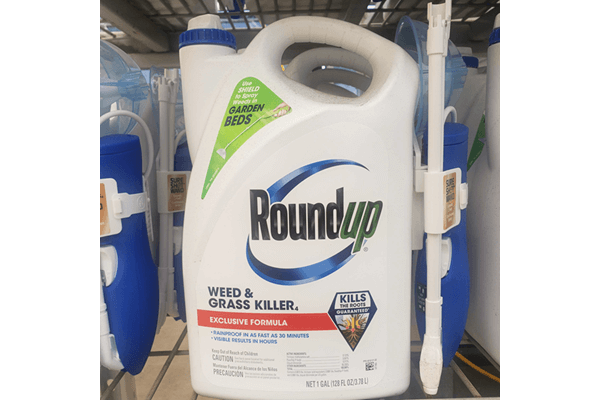
Quick Answer: The Roundup lawsuit is a big deal because courts have repeatedly found that long-term exposure to glyphosate may increase cancer risk—and that the product’s manufacturer failed to adequately warn users despite years of scientific and internal evidence.
Products used every day can raise serious legal questions when long-term health risks come to light. Cases like the Roundup litigation turn on core product liability principles, including failure to warn, corporate knowledge of safety risks, and how courts evaluate scientific evidence in toxic exposure claims.
This article examines the legal issues driving the Roundup lawsuits, why the cases matter beyond one product, and what they reveal about corporate responsibility and consumer safety.
What Is Roundup, and Why Was It So Widely Used?
Roundup is a popular weed killer whose active ingredient is glyphosate. For decades, it was marketed to homeowners, landscapers, farmers, and municipalities as an effective and safe solution for weed control.
Because it was easy to use and widely available, many people applied Roundup regularly and over long periods, often without protective equipment and without being warned of potential health risks.
What Triggered the Roundup Lawsuits?
The Roundup lawsuits emerged after scientific studies linked long-term glyphosate exposure to non-Hodgkin’s lymphoma, a cancer of the lymphatic system.
In 2015, the International Agency for Research on Cancer (IARC), part of the World Health Organization, classified glyphosate as a probable human carcinogen. Internal company documents later revealed that concerns about cancer risk existed well before this public classification.
These findings raised a central legal question:
Were consumers adequately warned about the potential cancer risks of repeated Roundup exposure?
What the Lawsuits Actually Allege
Roundup lawsuits are primarily failure-to-warn and product liability cases, not claims that the product was ineffective.
Plaintiffs allege that the manufacturer:
- Knew or should have known glyphosate posed cancer risks
- Failed to warn users despite growing scientific evidence
- Marketed Roundup as safe for repeated use
- Influenced or downplayed independent safety research
Courts have allowed juries to consider whether Roundup’s labeling and marketing gave consumers a false sense of safety.
Why Jury Verdicts Changed Everything
Several high-profile jury verdicts awarded substantial damages to plaintiffs who developed non-Hodgkin’s lymphoma after prolonged Roundup use. These verdicts sent a clear signal that juries found the evidence compelling—particularly regarding internal corporate documents and corporate knowledge.
Although some verdicts were later reduced on appeal, the core findings largely remained intact:
Roundup could be dangerous when used as directed, and warnings may have been inadequate.
These outcomes dramatically increased the legal exposure for the manufacturer and reshaped how toxic exposure cases are litigated.
Compensatory and Punitive Damages in the Roundup Lawsuits
One reason the Roundup litigation stands out is the type and scale of damages awarded, particularly punitive damages.
Compensatory Damages
Compensatory damages are intended to cover the actual harm suffered by plaintiffs. In Roundup cases, these damages have included:
- Medical expenses related to cancer treatment
- Lost income and reduced earning capacity
- Pain, suffering, and diminished quality of life
- Loss of companionship in wrongful death cases
Juries have repeatedly found that plaintiffs who developed non-Hodgkin’s lymphoma after long-term Roundup exposure suffered substantial, life-altering harm, justifying significant compensatory awards.
Punitive Damages
Punitive damages go beyond compensation. They are awarded when a jury finds that a defendant’s conduct was reckless, willful, or showed conscious disregard for safety.
In multiple Roundup trials, juries awarded punitive damages after concluding that Bayer (through Monsanto) failed to adequately warn users despite internal evidence raising concerns about glyphosate’s cancer risks.
Although some punitive awards were later reduced on appeal, courts largely upheld the legal basis for punitive damages, signaling that the underlying conduct was sufficiently serious to warrant punishment.
Why Punitive Damages Are Legally Significant in Roundup Cases
Punitive damages are rare in product liability cases. Their repeated appearance in Roundup verdicts is legally significant because it suggests juries believed:
- The risks were not merely unknown, but downplayed or minimized
- Marketing and safety representations gave users a false sense of security
- Internal knowledge conflicted with public messaging
These findings elevate the Roundup lawsuits beyond ordinary injury claims and place them among the most consequential failure-to-warn cases in modern product liability law.
Who May Have a Valid Roundup Claim?
Individuals may be eligible to pursue a Roundup claim if they:
- Used Roundup regularly over an extended period
- Were exposed occupationally (farmers, landscapers, groundskeepers)
- Later developed non-Hodgkin’s lymphoma or a related cancer
- Were diagnosed within applicable legal time limits
Each case depends on exposure history, medical evidence, and state law.
Is the Roundup Lawsuit Still Ongoing?
Yes. While many cases have settled, thousands of claims remain pending, and new lawsuits continue to be filed. Litigation is expected to continue for several more years as remaining cases move through the courts and appeals are resolved.
Final Takeaway
The Roundup lawsuit is a big deal because it demonstrates how everyday consumer products can lead to massive legal consequences when safety risks are not fully disclosed—and how juries respond when they believe consumers were left in the dark.