
Hernia Mesh Lawsuit Update – 2026
Hernia Mesh Lawsuit Update – 2026
Hernia mesh lawsuits in 2026 focus on defective design, failure to warn, and serious post-surgical complications, with cases continuing in select courts nationwide.
Quick Answer: Hernia mesh lawsuits remain active in 2026, with claims focusing on defective design, inadequate warnings, and serious post-surgical complications, while courts continue resolving cases through MDLs, state litigation, and negotiated settlements.
Hernia repair surgeries are among the most common procedures performed in the United States, and surgical mesh has been widely used to reinforce weakened tissue. When those medical devices fail, however, the resulting injuries can be severe, long-lasting, and legally complex.
This article examines the current status of hernia mesh litigation in 2026, the core legal issues driving these cases, and what injured patients should understand about liability, damages, and case timelines.
What Is Hernia Mesh and Why Is It Used?
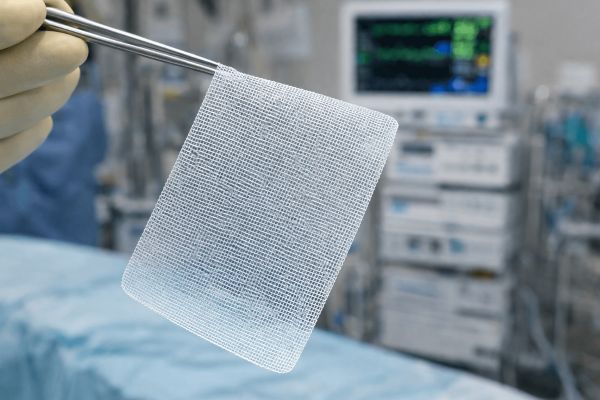
Hernia mesh is a medical device implanted during hernia repair surgery to provide additional support to weakened or damaged tissue. It is intended to reduce recurrence rates and improve surgical outcomes.
While many patients experience successful repairs, others have reported complications linked to certain mesh products, particularly synthetic meshes made from polypropylene.
Why Were Hernia Mesh Lawsuits Filed?
Hernia mesh lawsuits allege that some products were dangerously designed, inadequately tested, or insufficiently labeled, leading to preventable injuries.
Common allegations include:
- Mesh erosion into surrounding organs
- Chronic inflammation or infection
- Adhesions and bowel obstruction
- Mesh migration or shrinkage
- Hernia recurrence requiring revision surgery
Plaintiffs argue that manufacturers were aware (or should have been aware) of these risks but failed to redesign the products or adequately warn surgeons and patients.
Key Legal Theories in Hernia Mesh Cases
Most hernia mesh lawsuits rely on traditional product liability principles, including:
- Defective Design: Claims assert that certain mesh products were inherently unsafe due to their material composition or structural design, making complications foreseeable even when implanted correctly.
- Failure to Warn: Plaintiffs allege manufacturers did not provide clear warnings about known risks, limiting physicians’ ability to make informed treatment decisions.
- Negligence and Misrepresentation: Some lawsuits argue that manufacturers overstated safety benefits or downplayed complication rates in marketing and physician-facing materials.
Status of Hernia Mesh Litigation in 2026
As of 2026, hernia mesh litigation remains partially active but is evolving:
- Several large federal MDLs have concluded or significantly narrowed
- Some manufacturers have reached confidential settlements
- State court cases continue for certain products and injury profiles
- New filings are more selective and fact-specific
Courts are increasingly focused on individualized injury evidence, surgical records, and expert testimony linking mesh failure to specific harm.
Who May Still Be Eligible to File a Claim?
Eligibility depends on multiple factors, including:
- The specific mesh product used
- Documented complications or revision surgery
- Timing of diagnosis and applicable statute of limitations
- Whether the case falls under federal or state jurisdiction
Patients who required mesh removal, suffered chronic pain, or experienced organ damage may still have viable claims, particularly in state courts.
How Long Are Hernia Mesh Lawsuits Expected to Continue?
While the peak of nationwide hernia mesh litigation has passed, cases are expected to continue for the next several years, particularly in state courts and individual trials.
Future outcomes will depend on:
- Ongoing settlement negotiations
- Appellate rulings
- Product-specific evidence
- Evolving medical research
Final Takeaway
Hernia mesh lawsuits in 2026 reflect the broader challenges of medical device litigation: balancing innovation against patient safety and proving causation when complications arise after surgery.
If you experienced serious complications following hernia mesh implantation, a qualified attorney can help determine whether a claim remains viable based on current law and medical evidence.