
Johnson & Johnson Talc Lawsuit: What’s It About?
Johnson & Johnson Talc Lawsuit: What’s It About?
The Johnson & Johnson talc lawsuits focus on failure-to-warn claims alleging the company knew of asbestos and cancer risks but failed to warn consumers.
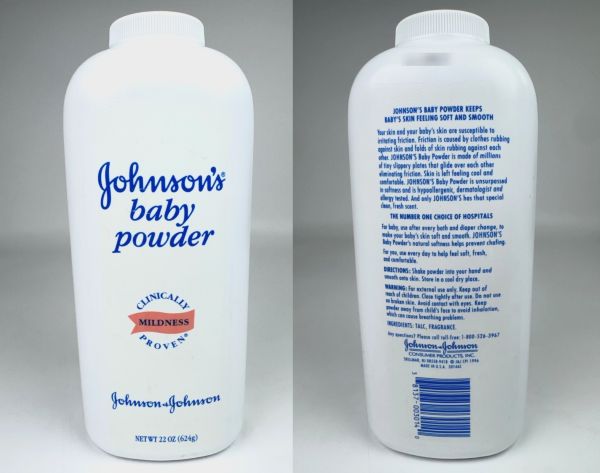
Quick Answer: The Johnson & Johnson talc lawsuits center on failure-to-warn claims alleging the company knew for decades that talc products could be contaminated with asbestos but failed to adequately warn consumers of cancer risks.
For years, baby powder was marketed as one of the safest household products in America. That perception changed dramatically as thousands of lawsuits alleged that talc-based products sold by Johnson & Johnson exposed consumers to asbestos, leading to ovarian cancer and mesothelioma.
At the heart of these cases is a core product-liability theory: failure to warn.
What “Failure to Warn” Means in Product Liability Law
A failure-to-warn claim alleges that a manufacturer:
- Knew or should have known about a product’s risks
- Failed to adequately disclose those risks
- Deprived consumers of the ability to make informed choices
Importantly, a product does not need to be defectively manufactured to be legally dangerous. A product can be lawful to sell yet still defective if warnings are missing, misleading, or minimized.
How Failure to Warn Applies to Talc Products
In the Johnson & Johnson talc litigation, plaintiffs argue that:
- Internal testing and third-party studies showed asbestos contamination risks
- Scientific literature linked talc use to serious health conditions
- The company continued to market talc products as safe for daily use
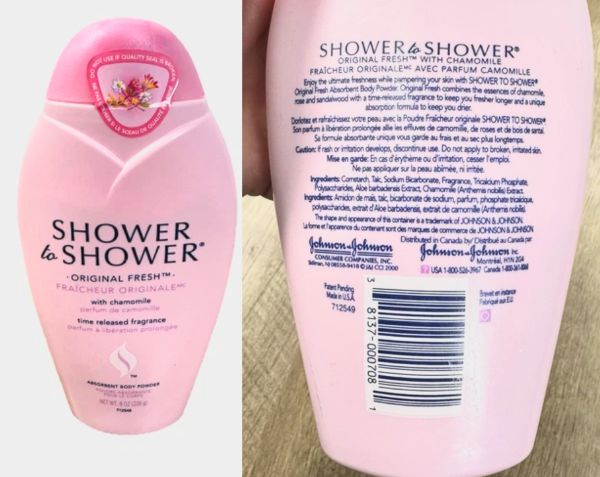
Despite this knowledge, product labels contained no warnings about cancer or asbestos exposure for decades.
Real-World Verdicts That Shaped the Talc Litigation
Ovarian Cancer Verdicts: What Juries Actually Found
In several landmark ovarian cancer trials, juries heard evidence that women used talc-based baby powder for daily feminine hygiene over periods spanning decades, beginning in adolescence and continuing into adulthood. The central allegation was not that the product malfunctioned, but that consumers were never warned that long-term talc use could increase ovarian cancer risk.
Plaintiffs presented internal corporate documents showing that Johnson & Johnson was aware as early as the 1970s and 1980s that:
- Scientific studies were raising concerns about talc migrating to the ovaries
- Industry groups discussed cancer-risk optics and messaging
- Alternative formulations and warning language were considered but rejected
Despite this knowledge, product labels continued to describe talc as “gentle,” “pure,” and suitable for everyday use, with no cancer warning of any kind.
In one of the most widely cited cases tried by The Lanier Law Firm, a Missouri jury returned a verdict exceeding $4.6 billion for 22 women who developed ovarian cancer after long-term talc use. Jurors found that:
- The cancer risk was scientifically knowable at the time
- Consumers relied on the absence of warnings in deciding to use the product
- A clear warning could have altered usage or prevented exposure
The verdict included both compensatory and punitive damages, reflecting a finding that the failure to warn was not accidental, but the result of conscious corporate decision-making.
Mesothelioma and Asbestos Exposure: Trace Contamination, Lifetime Risk
Separate talc lawsuits involved individuals diagnosed with mesothelioma, a cancer almost exclusively associated with asbestos exposure. These plaintiffs alleged that cosmetic talc products were contaminated with trace asbestos fibers, exposing users over many years through routine application.
In these cases, juries heard evidence that:
- Talc is often mined near asbestos-bearing rock formations
- Internal and third-party testing intermittently detected asbestos fibers
- The company disputed results publicly while privately tracking contamination risks
Plaintiffs argued that even low-dose, repeated exposure could be deadly over time—and that consumers were given no opportunity to avoid the risk because no warning was provided.
Why Warnings Matter Even When Products Are Widely Used
One of the most significant legal arguments in talc cases was that products were sold for decades without obvious immediate harm. Courts rejected the idea that longevity equals safety.
Failure-to-warn law recognizes that:
- Long-term exposure risks may take years to manifest
- Consumers rely on manufacturers for safety information
- Silence can be just as misleading as false statements
A warning does not require absolute certainty—only a reasonable basis for concern.
The Role of Internal Documents and Corporate Knowledge
A turning point in many talc trials came from internal emails, memos, and test reports. Plaintiffs used these documents to show:
- Awareness of contamination concerns
- Efforts to downplay or challenge unfavorable studies
- Strategic decisions about labeling and messaging
Courts often treat internal knowledge as powerful evidence that warnings were not merely overlooked but deliberately withheld.
Bankruptcy Maneuvers and Ongoing Litigation
Johnson & Johnson’s attempts to resolve talc claims through corporate restructuring and bankruptcy-related strategies have raised additional legal questions.
While some claims have been delayed or consolidated, courts continue to scrutinize whether failure-to-warn claims should proceed.
The underlying warning allegations remain central regardless of procedural posture.
What the Talc Litigation Shows About Failure to Warn Claims
The Johnson & Johnson talc lawsuits illustrate how failure-to-warn law operates when:
- Risks are cumulative and long-term
- Scientific evidence evolves over time
- Corporate knowledge predates public disclosure
They also demonstrate why warning claims can succeed even when products complied with regulatory standards at the time of sale.
Final Takeaway
The Johnson & Johnson talc lawsuits are fundamentally failure-to-warn cases. Plaintiffs argue that consumers were denied critical safety information about asbestos contamination and cancer risks, preventing informed decision-making for decades.
Courts and juries have repeatedly treated those warning failures as legally actionable, regardless of how familiar or trusted the product once seemed.