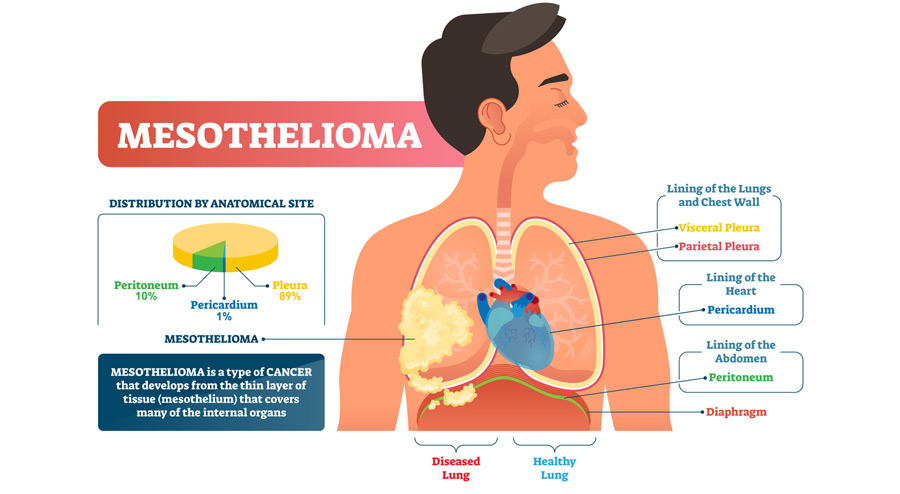

Pleural Mesothelioma Causes: How Asbestos Exposure Leads to Disease
Pleural Mesothelioma Causes: How Asbestos Exposure Leads to Disease
Pleural mesothelioma is most often caused by inhaling asbestos fibers, which lodge in the lung lining and can trigger cancer decades after exposure.
Quick Answer: Pleural mesothelioma is primarily caused by inhaling asbestos fibers, which lodge in the lining of the lungs and can trigger cancer decades after exposure.
Pleural mesothelioma is a rare but aggressive cancer that most often develops after prolonged exposure to asbestos. Although asbestos use has declined significantly, the disease continues to be diagnosed today because symptoms can take 10 to 50 years to appear after exposure.
Medical research consistently shows that the overwhelming majority of pleural mesothelioma cases are linked to asbestos exposure, often through occupational environments where asbestos-containing materials were regularly handled.
What Is Asbestos?
Asbestos is a group of naturally occurring mineral fibers once prized for their:
- Heat resistance
- Fire retardant properties
- Electrical insulation capabilities
- Durability and low cost
Because of these qualities, asbestos was widely used throughout much of the 20th century in industrial, commercial, and consumer products.
At its peak, asbestos could be found in products such as:
- Insulation and fireproofing materials
- Roofing, cement, and tiles
- Brake pads and clutches
- Adhesives and sealants
- Textiles and plastics
- Talcum powder and cosmetics
Why Asbestos Is So Dangerous
Asbestos fibers are hazardous because the human body cannot break them down or expel them once inhaled. Over time, retained fibers cause progressive damage that may not produce symptoms for decades.
This long latency period makes early detection difficult and explains why many individuals are diagnosed long after exposure has ended.
Six Recognized Types of Asbestos and Exposure Routes
All asbestos minerals fall into two families based on fiber shape: serpentine and amphibole. While all six types are carcinogenic, exposure sources and risk profiles vary.
Serpentine Asbestos (Type 1)
1. Chrysotile (White Asbestos)
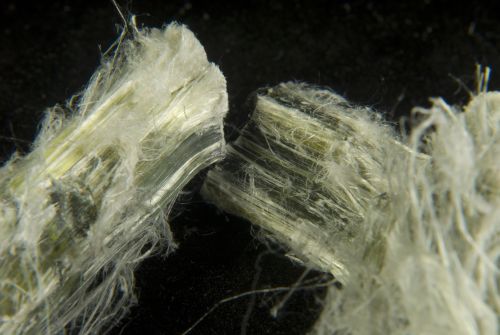
The only serpentine asbestos type characterized by its curled, flexible, layered fibers. Historically the most widely used form in the United States.
- Exposure routes: Found in insulation, pipe wrapping, roofing materials, cement sheets, brake pads and clutches, gaskets and seals, textiles and fireproof fabrics and consumer products such as talc and cosmetic products.
- Exposure risk groups: Construction and demolition workers, automotive mechanics, factory and industrial workers, shipyard workers, military veterans, talc miners and millers, consumers using contaminated talc products over long periods
Although chrysotile fibers are more flexible, they can still lodge in lung and pleural tissue and cause cancer.
Amphibole Asbestos (Type 2)
Amphibole fibers are straighter and more rigid, allowing them to embed deeply in lung and pleural tissue.
2. Amosite (Brown Asbestos)
Widely used in commercial construction and is strongly associated with mesothelioma.
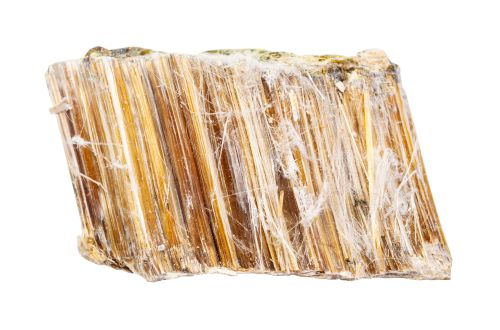
- Exposure routes: Thermal insulation products, cement boards and ceiling tiles, pipe insulation, fireproofing materials, insulating panels in buildings and ships
- Exposure risk groups: Construction workers, insulation installers and removers, power plant workers, shipyard workers, maintenance and retrofit crews in older buildings
3. Crocidolite (Blue Asbestos)
Considered the most dangerous form of asbestos due to its extremely thin, penetrating fibers.
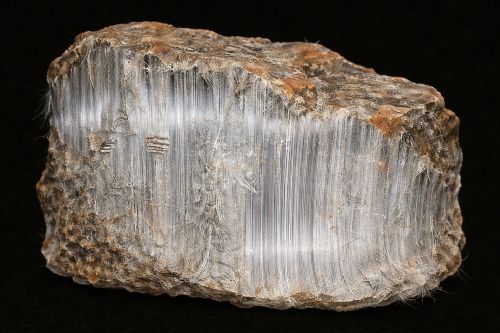
- Exposure routes: Spray-on insulation and fireproofing, steam engine and boiler insulation, cement products and pressure pipes, chemical plant insulation, some shipbuilding materials
- Exposure risk groups: Shipyard and dock workers, industrial workers in chemical plants, insulation workers, miners and mill workers, military personnel - especially Navy veterans
4. Tremolite
Rarely used commercially; exposure often occurs unintentionally through contaminated products rather than direct use.
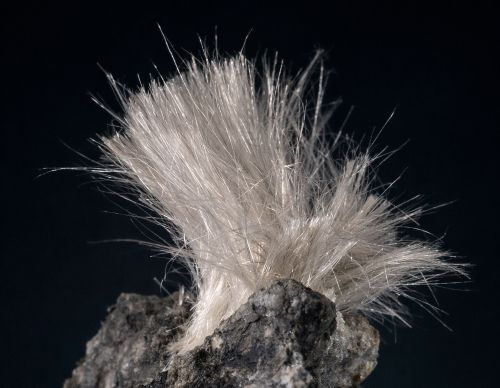
- Exposure routes: Talc and talcum powder (as a contaminant), vermiculite insulation, paints and sealants, some consumer and cosmetic products, certain natural stone materials
- Exposure risk groups: Talc miners and processors, consumers using contaminated talc products, construction workers handling vermiculite insulation, quarry workers, residents near contaminated mines
5. Actinolite
Not widely used in manufacturing; exposure typically results from contamination rather than intentional use.
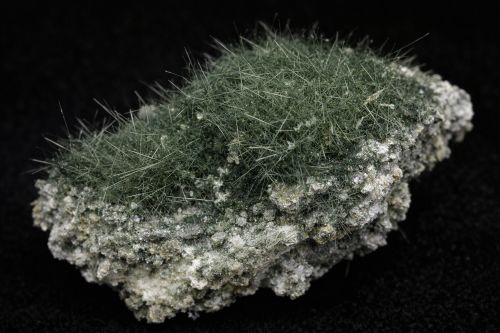
- Exposure routes: As a contaminant in insulation and construction materials, cement products, paints and sealants, natural stone and rock deposits
- Exposure risk groups: Construction and demolition workers, quarry and stone workers, industrial workers handling contaminated materials, environmental exposure in mining regions
6. Anthophyllite
Least common type but remains capable of causing serious disease.
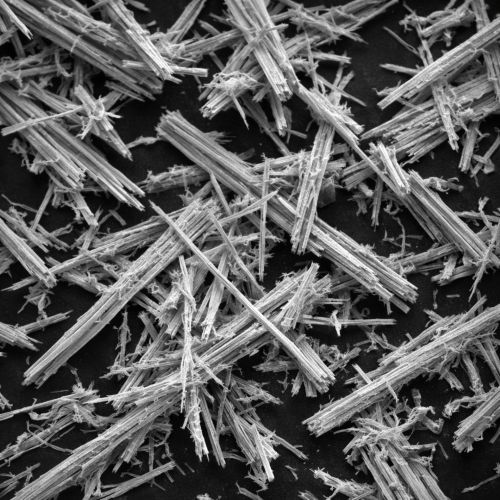
- Exposure routes: As a contaminant in insulation and construction materials, cement products, paints and sealants, natural stone and rock deposits
- Exposure risk groups: Construction and demolition workers, quarry and stone workers, industrial workers handling contaminated materials, environmental exposure in mining regions
How Asbestos Exposure Causes Pleural Mesothelioma
When asbestos fibers are inhaled, they bypass the body’s natural defense mechanisms and travel deep into the lungs. Over time, these microscopic fibers migrate to the pleura, the thin membrane surrounding the lungs.
Once embedded, asbestos fibers:
- Cause chronic inflammation
- Trigger scarring of lung tissue
- Interfere with normal cellular repair processes
This long-term irritation can eventually lead to malignant changes in pleural cells, resulting in pleural mesothelioma. Even with treatment, the disease is often diagnosed at advanced stages due to its delayed onset.
Who Is Most at Risk of Asbestos Exposure
While brief or incidental exposure rarely leads to disease, certain professions historically faced repeated, long-term exposure, significantly increasing risk.
High-risk occupations include:
- Construction and demolition workers
- Industrial and factory workers
- HVAC technicians
- Shipyard and refinery workers
- Automotive mechanics
- Military veterans
Military veterans face elevated risk because asbestos was extensively used in ships, aircraft, vehicles, barracks, and training facilities for decades.
Why Exposure Source Matters Legally
Identifying which asbestos type caused exposure helps determine:
- Likely time period of exposure
- Responsible manufacturers or suppliers
- Whether exposure was occupational, environmental, or consumer-based
- Applicable trust funds or defendants for a mesothelioma injury claim
Different asbestos types often trace back to different industries and defendants, making this analysis critical in mesothelioma claims.
Is Asbestos Exposure Still a Risk Today?
Contrary to popular belief, asbestos is not fully banned in the United States. Although the Environmental Protection Agency attempted a comprehensive ban in 1989, courts overturned most of that effort, allowing continued use in certain applications.
Today:
- Asbestos use is limited but not eliminated
- Existing asbestos-containing materials remain in older buildings
- Certain vehicle parts, such as brakes and clutches, may still contain asbestos
Workers who disturb older materials during renovations or repairs remain at risk if proper safety measures are not followed.
What to Do If You Suspect Asbestos Exposure
If you believe you or a loved one experienced significant asbestos exposure:
- Document where and when exposure may have occurred
- Seek medical evaluation if respiratory symptoms develop
- Inform healthcare providers about exposure history
Doctors may use imaging studies such as chest X-rays or CT scans to evaluate symptoms and determine whether further testing is needed.
When Legal Action May Be Appropriate
Many people diagnosed with pleural mesothelioma pursue legal claims because exposure often occurred due to:
- Unsafe workplace conditions
- Failure to warn about known asbestos risks
- Defective or hazardous products
Compensation may come from:
- Lawsuits against responsible manufacturers or employers
- Asbestos trust funds established by bankrupt companies
Because exposure often occurred decades earlier, identifying the responsible parties can be complex.
Why Experienced Legal Representation Matters
Mesothelioma cases are legally and factually complex due to:
- Long latency periods
- Multiple potential exposure sources
- Extensive corporate and industrial histories
Experienced attorneys often handle:
- Exposure investigation
- Medical and occupational evidence
- Trust fund claims and litigation strategy
For many patients, legal representation reduces the burden of navigating claims while undergoing treatment.
Final Takeaway
Pleural mesothelioma is overwhelmingly linked to asbestos exposure, often from occupational environments decades in the past. Understanding how exposure occurs, and why liability may still exist today, helps patients and families make informed medical and legal decisions.